.svg)

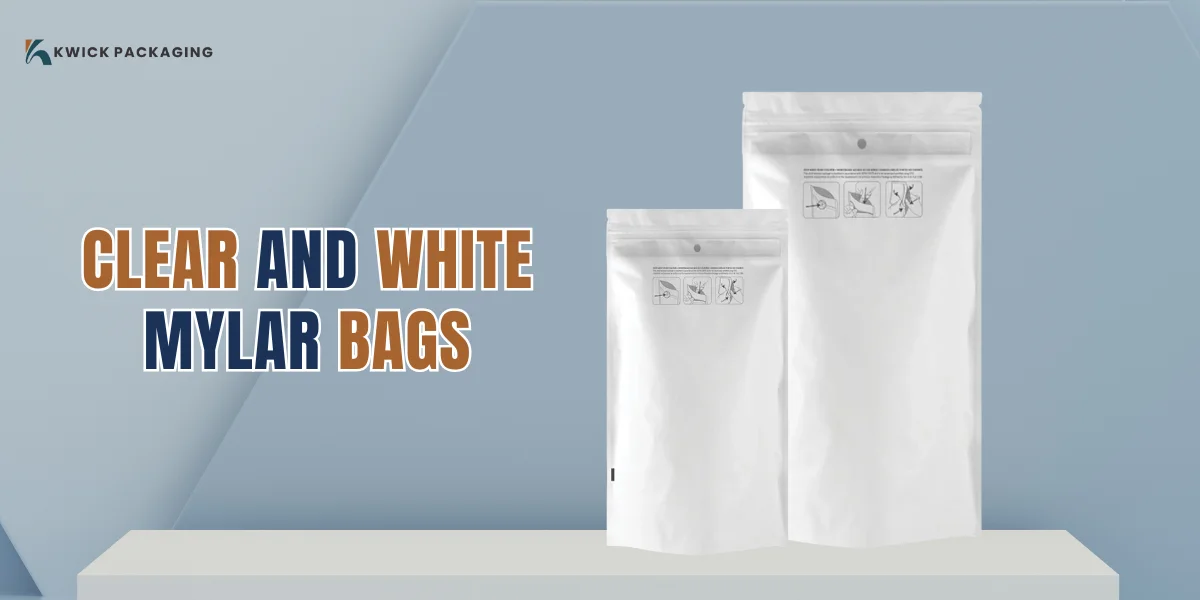
Clear and White Mylar Bags
The packaging protects, explains, and builds trust along with product shipping. That is why clear and white custom mylar bags are becoming a smart choice for brands of all sizes. The design blends a see through panel with a clean white surface, so shoppers can inspect contents while companies present information clearly.
They also help products to stay fresh, organized, and easy to display on shelves or online. From snacks and herbs to beauty items and hardware accessories, the same bag style keeps everything neat. Strong seals, simple shapes, and clean printing give a professional look that buyers notice quickly. Everywhere.
Why Clear and White Mylar Bags Stand Out?
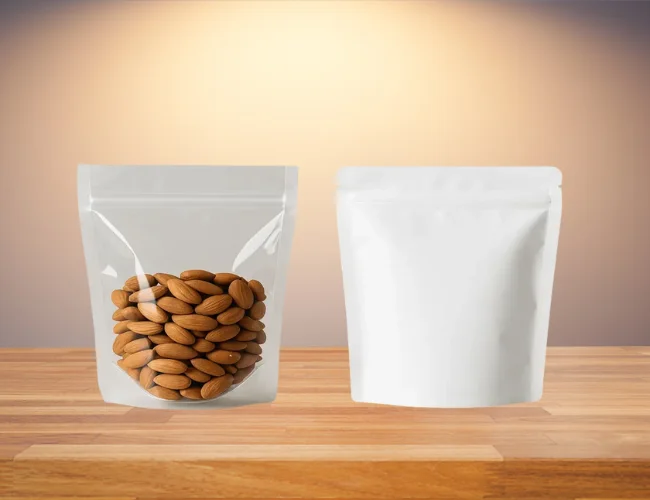
Many brands choose clear and white die-cut mylar bags pouch style because they balance strength and style. Mylar film resists tears, pinholes, and rough handling during shipping. That means fewer damaged items and happier customers.
The clear side lets shoppers see color and texture, which builds confidence before purchase. The white side gives space for labels, safety notes, and barcodes. Together, they look clean on shelves and in online photos, which helps stores convert more views into sales. for many.
Practical details matter too. Heat seals and zip closures keep air and moisture out, so food stays crisp and cosmetics stay stable. Flat bottoms help pouches stand upright for better display. Hang holes work for peg boards when space is tight. Because the material is lightweight, shipping costs drop without risking protection.
Printers can add crisp text and graphics, and small batch runs are possible for seasonal items. From a shopper’s view, the package feels tidy, modern, and easy to open. For owners, the same features reduce returns, support brand trust, and make inventory handling smoother across warehouses and shops. Day after day, results improve.
How Clear and White Mylar Bags Cut Costs?
Another big advantage of clear and white mylar bags pouch style is cost control. Because the film is thin yet tough, you get protection without bulky packaging. That lowers freight charges and storage space requirements. Retailers can fit more units per shelf, and online sellers can cut parcel weight.
Lower costs add up, especially for small businesses testing new products. Meanwhile, the look stays premium, so you do not sacrifice perceived value while saving money. for growth.
Versatility also helps the bottom line. One packaging style can handle snacks, nuts, tea, spices, bath salts, wax melts, pet treats, or craft parts. Teams order a few sizes and cover many uses, simplifying purchasing and training. With printable white panels, every batch can carry clear directions, ingredient lists, and contact details.
If a product changes, a quick label update avoids waste. Zip closures lower the need for extra clips or tins, and tear notches speed opening at home. The result is a smoother unboxing experience for customers and fewer support questions for staff, which protects profit margins over time. Small wins stack into long-term gains, daily.
You may love to read our post: Mylar vs Rigid Packaging
Why Food Brands Trust Clear and White Mylar Bags?
Food makers and cafes value clear and white mylar bags packaging because it protects taste. Barrier layers block oxygen and light, that helps coffee hold aroma and spices keep their punch. See-through panels show roast level, nut size, or fruit color, so the customers can judge freshness.
At the same time, the printable white area carries date codes, storage tips, or brewing ratios. This mix of visibility and guidance reduces confusion and increases the client confidence. for quality.
Clean handling is just as important. Sealable tops guard against spills in transit and at home. Retailers appreciate pouches that stand, stack, and scan quickly at checkout. Operators can heat seal at the counter for extra security, while resealable zips support portion control.
For bulk items, larger sizes cut down on outer cartons and lowers waste. Clear lot numbers and allergens on the white side help shoppers make safe choices. Together, these details raise product quality, smooth store operations, and create repeat purchases, because people return to brands that make everyday use easy, tidy, and dependable. Good packaging habits also lower mess and improve kitchen routines every day.
Greener Packaging, Step by Step
Sustainability matters to shoppers, and pouches can support better choices. Compared with jars or tins, flexible film uses less material and requires less fuel to move. That lighter footprint helps brands to lower emissions across the supply chain.
Right sizing also lowers void fill, so boxes ship tighter and cleaner. When customers reuse a pouch for snacks, craft parts, or travel kits, the life of the package increases further, delaying disposal and reinforcing responsible habits at home.
Clear communication increases impact. Labels can show recycling notes, refill reminders, or return to store programs. Some brands provide collection points for hard to recycle films, pairing convenience with education. Others print care tips: keep out of sunlight, reseal after use, or store cool to reduce waste.
Because pouches are compact, retailers can ship more with fewer trips, which lowers costs while trimming fuel use. Add in digital manuals via QR codes and you cut paper inserts, too. Step by step, these choices build a credible, planet-minded story that customers recognize, respect, and share with friends and family. Small changes, repeated often, deliver meaningful savings across entire operations today.
Design and Features That Fit
Customization turns a simple pouch into a brand asset. Choose dimensions that fit real serving sizes, then add matte or gloss finishes to match your style. Window shapes can highlight color or texture, while solid panels protect light-sensitive goods.
Hang holes work for displays, and rounded corners feel friendly in the hand. For new launches, short digital print runs keep costs manageable while testing headlines, colors, and photography before scaling to larger orders.
Functional extras improve daily use. Add tear notches for easy opening, zipper closures for the freshness, and bottom gussets, so pouches stand tall on shelves. Batch numbers, use-by dates, and allergen notes print clearly on white panels for quick scanning.
QR codes can link to recipes, tips, or support pages to lower confusion. If you sell online, leave space for shipping labels to avoid covering key messages. With uniting design and function, your custom packaging tells a consistent story at every touchpoint, from factory line to doorstep, building recognition and trust with every repeat order. Thoughtful details turn casual buyers into loyal fans who recommend you to others often.
Also Read: Mylar vs Rigid Packaging: Which One Should You Choose?