.svg)

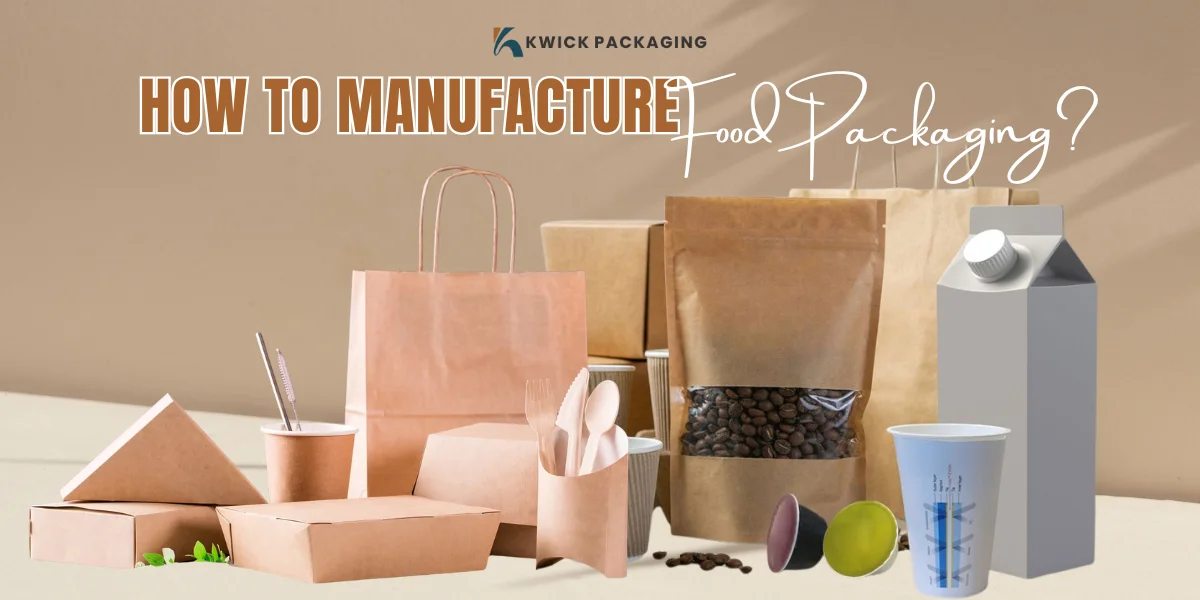
Boxes for foo keep our snacks and meals fresh and safe. It protects meals from dirt and germs. Good packaging makes food last longer. How to Manufacture Food Packaging? Companies work hard to create boxes and bags that are strong. They use special machines and materials. The process has many steps.
Workers check everything carefully. They want to make sure the packaging is perfect. Each package needs to be clean and sturdy. People who make food packaging follow strict rules. They test their products many times. Learn about the exciting journey of creating food containers.
How to Manufacture Food Packaging? Detailed Process?

Making food packaging starts with choosing the right materials. Workers use paper, plastic, or cardboard. They cut these materials into shapes. Big machines fold and glue the pieces together. The factory has special tools that work very fast. Each machine does a different job.
Some machines cut while others print colors. Workers watch the machines carefully. They make sure nothing goes wrong. How to Manufacture Food Packaging? The final product must be strong enough to hold food safely.
Green Material to Make the Best Food Packaging
Brands use natural materials for their boxes. They break down naturally in soil. This helps keep our planet clean. Green materials are just as strong as plastic. They protect food very well. Companies can recycle them easily. This saves energy and resources.
Kwick Packaging is the number one supplier in the area. They offer the best green options. Children and adults love using earth-friendly packages. Custom Food Packaging made from green materials helps our environment. It shows we care about nature and our future.
Types of Food Packaging
Different foods need different types of packaging. Each type serves a special purpose. The right boxes at Kwick Packagingkeep food fresh and tasty.
-
Boxes for Dry Foods
Boxes are best with crackers and cereals. They are produced using heavy cardboard. The material is hard and rigid. These custom food boxes stack well on the shelves. On the outside, they have colored pictures.
-
Bags for Snacks
They clog completely so as to exclude air. This helps snacks remain crunchy. The bags are not heavy. They can be carried easily. The wholesale food packaging boxes are numerous. Lunch boxes are great because small bags fit in. They come with a heat insulation coating. This is how to keep food warm in lunch box.
-
Packaging for Wet Foods
Some foods need waterproof containers. Soups and sauces go in sealed cups. These containers have tight lids. They prevent spills and leaks. The material does not get soggy from liquid. They come with a portable food warmer lunch box that keeps your food fresh for longer.
-
Wraps for Fresh Items
Thin plastic wraps cover sandwiches and fruits. They stick to themselves to stay closed. Clear wraps let you see the food inside. They keep everything fresh until lunchtime.
Consider Safety Standards
It is good to make boxes by following some security measures. They protect food and help you deliver the best packaging. Companies test their packages many times.
-
Materials Must Be Clean
Your boxes should not have harmful chemicals. Factories clean their machines daily. Workers wear special gloves and hats.
-
Packages Must Stay Dry
Containers must not get soggy from moisture. Wet packaging can break apart easily. It might let germs touch the food. Special coatings keep water away. This makes packages last longer.
-
Strong Seals Are Important
Good seals keep air and dirt out. They make sure food stays fresh. Machines test each seal carefully. Weak seals get thrown away. Only perfect packages reach stores.
-
Labels Must Be Clear
Every package needs readable labels. They tell what food is inside. They also show expiration dates. People need this information to stay safe. Food Packaging Near me suppliers follow all labeling rules.
-
Regular Testing Happens
Scientists check packages in labs. They look for any problems. Companies fix issues right away. This keeps everyone safe and healthy.
Make Your Boxes Attractive and Safe with Laminations
Lamination adds a shiny or smooth layer to boxes. This special coating protects packaging from damage. It makes colors look brighter and more beautiful. Laminated boxes feel nice to touch. They resist water and grease stains. Food stays cleaner inside these protected boxes. The coating also makes packages stronger.
Matte lamination creates a soft look. Both types keep boxes looking new longer. Customers enjoy holding smooth laminated packaging. Companies choose lamination to make their products stand out. This extra layer keeps food safe while making boxes pretty. Laminated packaging lasts through shipping and storage without problems.
Innovative Printing On Packaging
Printing makes food packages colorful and attractive. Pretty designs catch our attention in stores. Companies use special printing techniques to create beautiful packages. Offset printing works well for large batches. Digital printing is faster for small orders. Flexographic printing bends around curved surfaces. Screen printing adds thick, bold colors.
Each technique creates different effects. Designers choose colors that make food look tasty. They add pictures and words that tell about the product. Good printing makes shopping more fun for customers.
Technical Finishing Process
The finishing stage makes packages look complete and professional. This final step adds important touches.
-
Quality Checks
Workers examine every single package. They look for tears or damage. Bad packages get removed quickly. Only perfect ones move forward.
-
Adding Protection
Some packages get an extra coating. This makes them shinier and stronger. The coating helps them resist water. It also makes colors look brighter.
-
Cutting to Size
Machines trim packages to exact measurements. Sharp blades cut straight lines. Each piece must be the same size. This helps them fit together nicely.
-
Final Assembly
Workers put all the pieces together. They attach handles or straps. Everything gets folded properly. The packages are now ready to use.
After finishing, the packages go to food companies. They are the best option to keep your products safe and fresh.
Conclusion
It is important to make your boxes with expertise. Workers follow many steps to create safe containers. They use good materials and test everything carefully. How to Manufacture Food Packaging? It is a question we explored through each stage of production. From choosing materials to final printing, every step matters.
Read! Where to Buy Gift Boxes?