.svg)

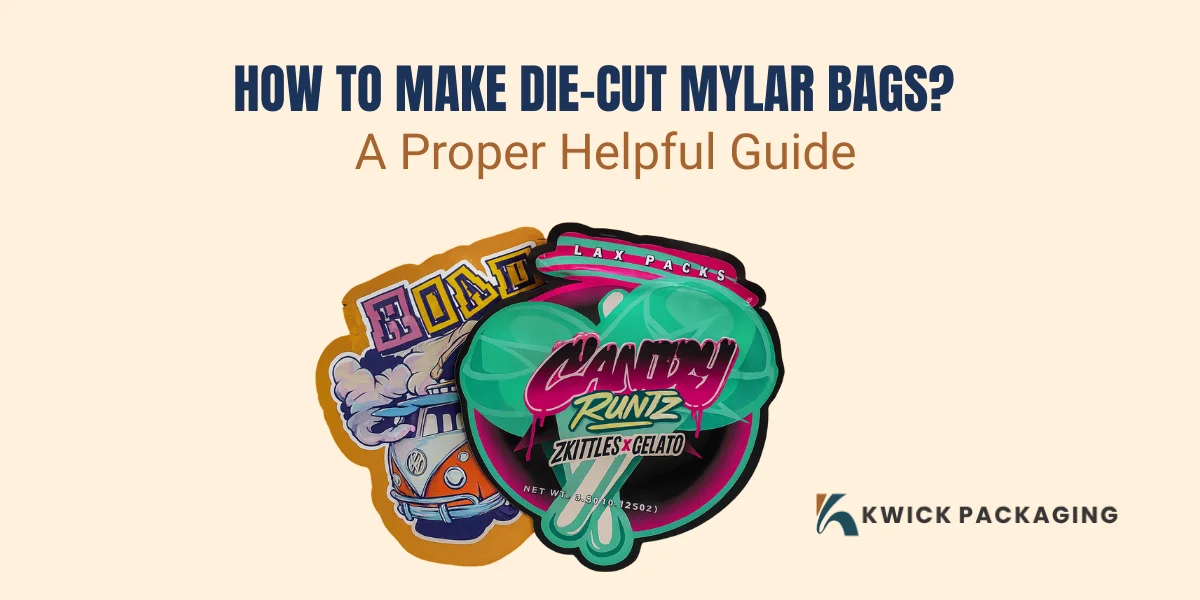
Mylar bags may have faced the hardest time as any packing material due to the very feature strength that allows it to keep packed products fresh and usable. Foods, herbs, cosmetics, and anything else sensitive that requires shielding from moisture, light, and air- Mylars can accommodate all. Die-cut Mylar bags have become one of the most popular, one that takes a custom shape and size, giving products an uncommon appearance. The following guide will walk you through how to make die-cut Mylar bags.
Understanding the Mylar Material
First, one should know what is meant by 'Mylar' before proceeding further. Mylar is a polyester film with exceptionally high strength; it makes for wonderful packaging, as it is also a puncture-resistant film. Such a great barrier to the outside means that whatever is inside remains fresh. Preserving extra protection required, Mylar is often laminated to aluminum foil layers, especially when usage covers food applications and medicinal products.
Choosing the Right Mylar Film
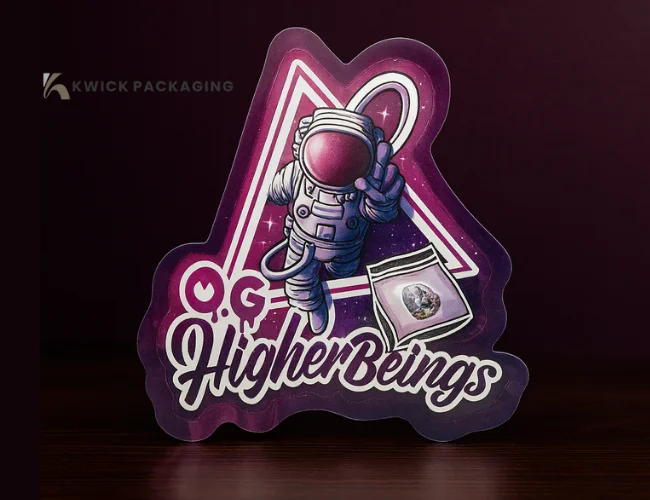
There can be no such thing as the right Mylar film for every removable application. Different thicknesses and amounts apply to varied industries. If you are packaging food, FDA-approved Mylar bags will probably be the better choice. For retail packaging, the option of a printed Mylar bag with branding elements is worthwhile to consider. Protection afforded against light, moisture, and oxygen should also be considered.
Thickness Of Mylar Film
Some standard thicknesses of Mylar film used for making different-shaped mylar bags are:
- 2 mil: Lightweight; suitable for short-term storage.
- 3.5 mil: Medium thickness; provides durability and barrier protection.
- 5 mil: Heavy-duty; good for long-term storage and high-barrier requirements.
Designing the Die-cut Shape
Bag shape is one of the most powerful factors for branding and functional orientation. So here die-cutting comes into play. Die-cutting is the process of cutting any shape out of the Mylar sheet, thereby giving a completely different look to it. Companies usually choose the design of their bags shapes match their brand identity or product type. For example, if you are packaging something nature-oriented, maybe a leaf-shaped bag would be a good choice.
To get a die-cut design, designers use design software such as Illustrator or CorelDRAW. The design must show accurate dimensions, cut lines, and potential perforations. Once approved, the design is sent for die-cutting.
Mylar Bags Printing
For customized and printed Mylar bags, the printing occurs before anything is die-cut. The printing mostly happens through digital, flexographic, or rotogravure printing methods. All of these allow logos, product details, and attractive designs to be printed on the bags.
Digital printing is preferred for small quantities, as it allows full-color prints without printing plates. On the other hand, flexographic printing is best for large production runs. In case sharp detail prints are required, rotogravure printing is the method of choice, although it entails a bigger investment in the beginning.
Die-cutting Process
After printing, the Mylar goes into the die-cutting stage. Here, a custom die is crafted according to the design of the bag. A die is a sharp metal tool to cut Mylar into the required form. The cutting can be completed by hand-operated die-cutting or automatic systems, depending on the size of production.
Small production runs are manually operated with die-cutting presses. However, for mass production, automatic machining guarantees uniformity and accuracy. Using pressure, these machines cut through several levels of Mylar simultaneously and extremely efficiently, creating uniform-shaped items.
Sealing and Finishing the Bags
After the cutting stage, the Mylar sheets must be sealed to formulate a complete bag. There are various sealing methods, depending on the type of bag being manufactured.
- Heat-Sealing: This is the most traditional method of making the bag's edges join by heat application.
- Zipper-Sealing: Zippers are an addition before sealing for easy access to resealable Mylar bags.
- Tear Notches: Notches are made during the cutting stage to allow bags to easily be opened by tearing.
After sealing, the bags are inspected for quality to check for any leaks or weak seals. An effective seal helps keep the product inside safe and secure from external elements.
Testing the Bags for Quality
Testing for quality is an important step in manufacturing. The strength, sealing, and durability of the bags should be tested. Some common tests include:
- Puncture Resistance Test: The bag to not tear easily under pressure is done for.
- Heat Seal Strength Test: This tests whether the seals are strong enough to prevent leakage.
- Barrier Property Test: This checks the bag's ability to block moisture, air, and light.
Ensuring that these criteria comply with the industry norms is essential for vouching for the credibility of your uniquely shaped mylar bags.
Packing and Storing the Mylar Bags
Custom-printed die-cut mylar bags are properly packed and stored once they have passed quality checks and are sent to customers or used for packaging products. Mylar bags ought to be kept in a cool, dry place, shielded from any sunlight, to maintain their integrity. If they are to be used in food storage, they must be kept in a clean environment so they remain uncontaminated.
Conclusion
Die-cut Mylar bags have multiple processes in their fabrication-from selection of the right material, designing, printing, cutting, and sealing. The execution has to be precise so that the bags are functional and visually appealing. Hence, whether you are a business creating a custom package, or even an individual who wants to learn how to make die cut Mylar bags, going through these processes can lead you into generating fine productions.
This would result in beautiful, proportionate bags and of course effective in containing their contents. So, put your priority into the proper material selection and manufacturing techniques, and you are good to go.
If you are searching for die-cut mylar bags that can protect your products and boost your brand, Kwick Packaging is here to help you. You can find the best packaging solution at affordable prices with free shipping and quick around here. Whether you need small quantities or bulk orders, we cover all! So Order now and take your brand to the next level.
Also Read: How Dog Soap Packaging Can Boost Your Sales