.svg)

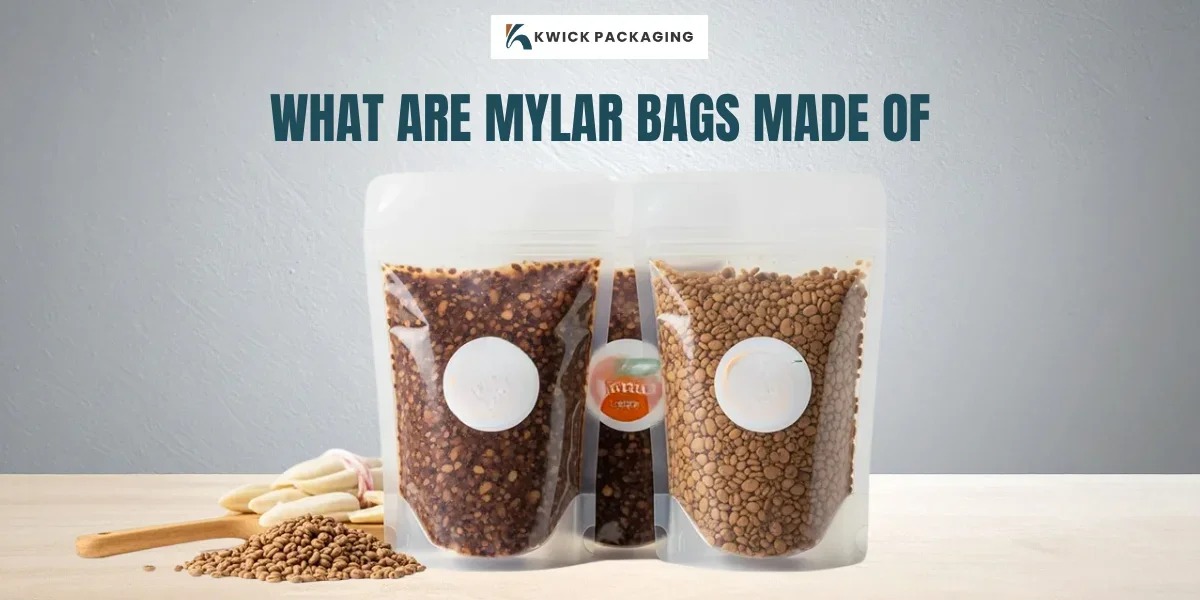
Mylar bags are a type of flexible packaging designed to prevent moisture, light, air, and even some chemicals from entering them. Its main purpose is to store food and keep it fresh for a long time, such as rice, beans, freeze-dried fruits, and snacks. This is not just confined to foods. Storage for drugs, beauty products, electronic equipment, and, of course, emergency kits is also used with Mylar bags.
As you walk into a grocery shop or order food online, you may have had the privilege to come across the shiny, flexible pouch designed to keep food fresh and safe. Mylar bags: They look so plastic, but they are made from a lot better stuff.
This article will talk about what Mylar bags are made of, how they work, and why they are such a trusted food, medicine, cosmetic, as well as industrial supply packaging option. So read on to find out what makes these bags so special for those who may be curious about them.
Why Mylar Packaging Bags Are So Popular?
They are used widely across many industries because of the great protection and shelf life they provide. Food storage, cosmetics, and pharmaceuticals are just a few applications for Mylar packaging bags. They prevent moisture, light, and even oxygen from spoiling products quickly. By keeping dried fruits safe or making beauty creams last longer, Mylar bags can make anything secure inside.
One of the main reasons for their popularity is the benefits of Mylar bags. They are lightweight and easy to store, and they can be secured in either an airtight manner or vacuum-sealed, suitable for both short- and long-term use. Sturdy in build and barrier properties, these bags provide reliable packaging to minimize wastage and maximize the quality of your products. The table below has Key features, benefits, and applications of these bags:
| Feature | Description | Benefits | Applications |
| Material Composition | Metalized polyester film (BoPET) with aluminum coating | Excellent strength and durability | Preserving food, medications, and cosmetics |
| Strength & Durability | Tear-resistant and can withstand physical stress | Suitable for long-term storage | Long-term storage of medicinal, cosmetic, and food items |
| Temperature & Chemical Resistance | Resistant to extreme temperatures and chemical reactions | Protects contents from degradation | Storing temperature-sensitive products like medications, cosmetics |
| Food Storage | Protects against moisture and air | Maintains food quality for extended periods | Food preservation (e.g., grains, dried fruits, freeze-dried foods) |
| Medicinal Storage | Protects from moisture, air, and light | Preserves medication efficacy | Storing pills, herbal remedies, and prescriptions |
| Cosmetic Storage | Protects from oxidation, moisture, and contamination | Preserves skincare products and beauty items | Preserving creams, lotions, and powders |
| Space Industry Use | Reflective properties and insulating capability | Thermal insulation and radiation reflection | Space blankets, space insulation |
| Other Uses | Reflective and Durable | Visually appealing and long-lasting | Banners, flags, and outdoor promotional materials |
What Material is Used to Make Mylar Bags?
The basic Mylar bags contain a material named BoPET, or Biaxially-Oriented Polyethylene Terephthalate. A long name, but the concept is straightforward.
Here is one composition of a typical Mylar bag:
1. BoPET Film (Base Layer)
- Polyester-based plastic
- Strong, thin, and heat-resistant
- Used in the middle of the bag structure
BoPET is what gives the bag its toughness. It can withstand being bent or folded without tearing, making it ideal for long-term storage.
2. Aluminum Coating (Barrier Layer)
- Thin layer of metal (usually aluminum)
- Reflects light and blocks air and moisture
- Gives the bag that shiny, silver look
This metallic layer acts as a shield, protecting the inside contents from outside elements. That’s why dried food in Mylar stays fresh for years when sealed properly.
3. Additional Plastic Layers (Outer and Inner Layers)
- Often made from polyethylene (PE) or polypropylene (PP)
- Adds extra strength and heat-sealing ability
- Makes the bag flexible and sealable with heat
These layers help make the bag easier to handle. They also allow the bag to be sealed airtight, which is key for keeping oxygen and moisture out.
Key Features of Mylar Material
Each layer in a Mylar bag has a purpose. The combination of plastic film and aluminum coating gives the bag:
- Durability: Can handle pressure, drops, or rough handling
- Barrier Protection: Blocks oxygen, light, and water vapor
- Flexibility: Easy to fold, store, and seal
- Temperature Resistance: Handles both hot and cold environments
Without these layers working together, Mylar bags wouldn’t be able to protect food and other sensitive items as well as they do.
Conclusion
Mylar bags look simple when viewed as packaging, but they are a smart combination of materials for protection from harmful elements. With layers of BoPET, aluminum coating, and plastic film, these bags ensure strong protection against vapor, light, and air. That is why they are used everywhere, like food storage, cosmetics, medications, and emergency uses.
Once you know what Mylar bags are made of, this will help you to know exactly which packaging fits your needs. Mylar bags are a useful and trusted option in many industries, whether for long-term food storage or protecting susceptible products.
Get in touch with Kwick Packaging for custom-made Mylar bag solutions that are made with heart and precision to meet your exact storage and branding requirements. If you are looking to get all those qualities in one place, you are in the right place with us to help you pack it right.