.svg)


As far as food longevity storage is concerned, one of the best and cheapest methods for curing it is the Mylar bags. And if you are preparing for emergencies, avoid wasting food, or want to standardize the pantry, learning what food can go well into Mylar bags is necessary.
The blog will help you find out all types of foodstuffs that can be preserved safely in Mylar bags, suited for, and those that can be excluded. Thus, from here, you will learn, and it will help to have an understanding of how to start right on your food storage system.
Why Use Mylar Bags for Food Storage?
Mylar bags are plastic films coated with a layer of aluminized polyester. They obstruct light and oxygen, as well as moisture, respectively, the three principal reasons for food spoilage. If you use oxygen absorbers with them, Mylar bags can easily preserve food for 10, 20, or even 30 years in some cases.
They are also lightweight, flexible, and do not need cold storage. That's why people find them perfect for prepping, camping, and bulk food storage. Want to store food for the long term? Check out our guide: How to Seal Mylar Bags
Best Foods to Store in Mylar Bags
Not all foods are safe or effective to store in Mylar bags. The best candidates are low in moisture and oil. Let’s go over them by category:
1. Grains and Rice
These are some of the most common items stored in Mylar bags.
- White rice
- Brown rice (shorter shelf life due to oil)
- Rolled oats
- Steel-cut oats
- Quinoa
- Barley
- Millet
Grains must be completely dry before packing. Use oxygen absorbers to prevent spoiling.
2. Beans and Legumes
Beans are high in protein and make great storage options.
- Black beans
- Kidney beans
- Lentils
- Chickpeas
- Navy beans
- Pinto beans
- Split peas
They store well when kept in a cool, dark place and sealed with oxygen absorbers.
3. Pasta and Noodles
Dry pasta keeps well in Mylar bag.
- Spaghetti
- Macaroni
- Egg noodles (only if completely dry)
- Penne
- Lasagna sheets
Break large pasta shapes to fit more efficiently in bags.
4. Powdered Goods
Keep them completely dry and free from clumping.
- Powdered milk
- Protein powder
- Kratom Powder
- Cocoa powder
- Baking Powder/Soda
- Powdered eggs (commercially freeze-dried)
Avoid storing any powder that has a high fat content.
5. Dry Fruits and Vegetables (Freeze-Dried or Dehydrated)
These are lightweight and pack a lot of nutrition.
- Freeze-dried apples, bananas, and strawberries
- Dehydrated carrots, peas, and onions
- Freeze-dried corn, green beans
Ensure they are completely dry to prevent mold growth.
6. Flour and Meal Products
These should be used within 5 years for best results.
- White flour
- Whole wheat flour (shorter shelf life)
- Cornmeal
- Pancake mix (dry only)
- All-purpose baking mixes
Because some flours may contain fats, monitor for spoilage or rotate regularly.
7. Seeds for Planting
If you’re preparing a survival garden:
- Vegetable seeds
- Herb seeds
Make sure seeds are dry and store them in a cool environment.
How to Pack These Foods to Last a Long Time
- Use oxygen absorbers: Especially with dry foods, they help remove air that can cause spoilage.
- Seal properly: Use a heat sealer or iron to ensure a tight seal.
- Store in a cool, dark place: Heat and light can shorten shelf life.
- Label each bag: Include contents and date sealed.
- Check periodically: Make sure seals haven’t broken or bags haven’t bloated.
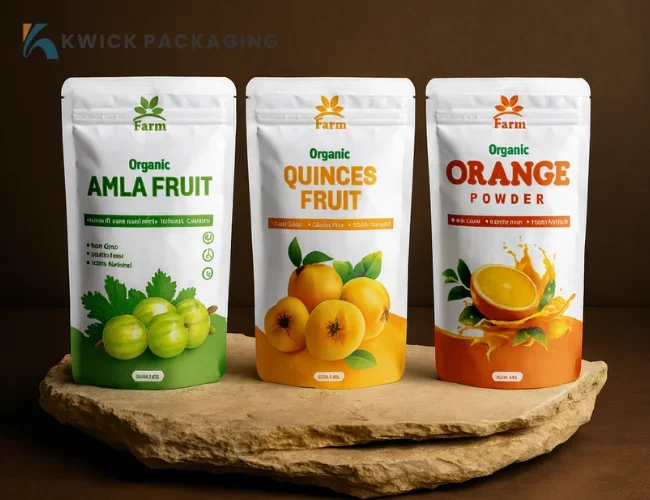
If you are looking for a reliable Mylar bag supplier, Kwick Packaging has a large variety in just about any size imaginable. Indeed, we provide quality-safe bags for food, whether for home storage or packing for selling. Our customer support helps one determine which size and thickness to settle for.
Foods You Should NOT Store in Mylar Bags
Some foods will spoil even if you seal them well. Avoid:
- Fresh fruits or vegetables
- Wet or moist foods
- Cheese or dairy (unless freeze-dried)
- Cooked grains or pasta
- High-fat foods (like nuts or peanut butter)
- Bread or bakery products
Moisture and oils can cause bacteria or mold growth.
Conclusion
Keeping food in Mylar bag is one of the best ways of preparing for emergencies and waste reduction, as well as organizing your pantry. By being dry, low-fat, and non-moist, food supply ingredients can be stored for innumerable years. Just make sure to incorporate oxygen absorbers, seal the bags tightly, and keep them in a cool and dark environment.
Prepare better or simply keep your food fresher with Mylar; either way, it is a great investment. Need dependable bags? Kwick Packaging proudly provides strong, durable, and user-friendly Mylar bags for all your needs.
Related Article: Are Mylar Bags Recyclable?